Home › Gravel-to-Asphalt Conversions
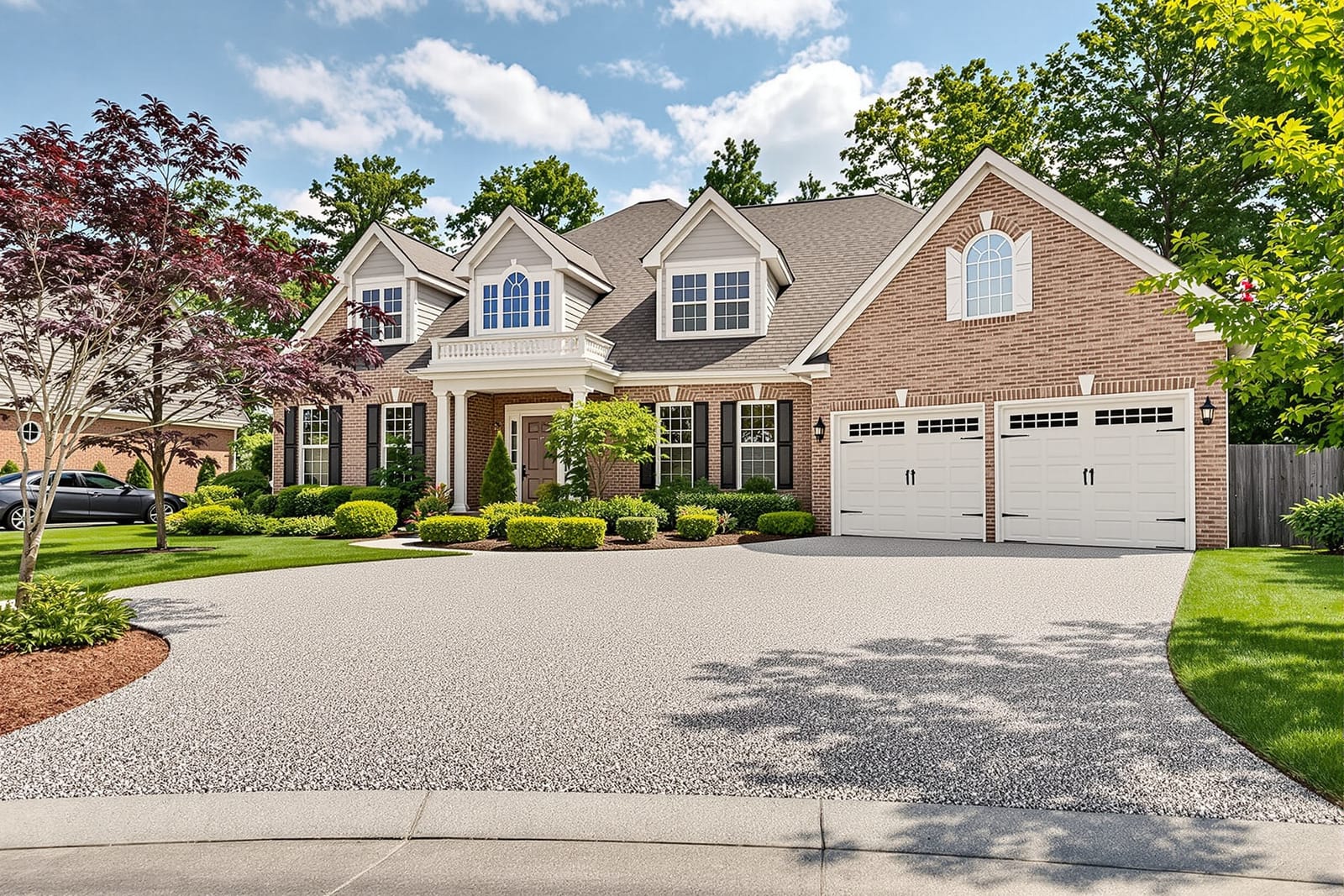
Upgrade your property with a gravel to asphalt conversion in Greensboro, NC. We transform dusty, rutted gravel driveways into smooth paved surfaces that are easier to drive and maintain. Our team improves drainage, compacts the base, and then installs durable hot mix asphalt. Schedule a site visit to explore converting your gravel drive to asphalt.
Prestige Asphalt Greensboro provides professional gravel to asphalt conversion throughout Greensboro, NC and the surrounding area. Our licensed, insured crew delivers safe, clean, on-time work with a free estimate before anything begins. Call (336) 962-7435 or request your free quote.
Turn Your Gravel Driveway Into a Smooth Asphalt Surface
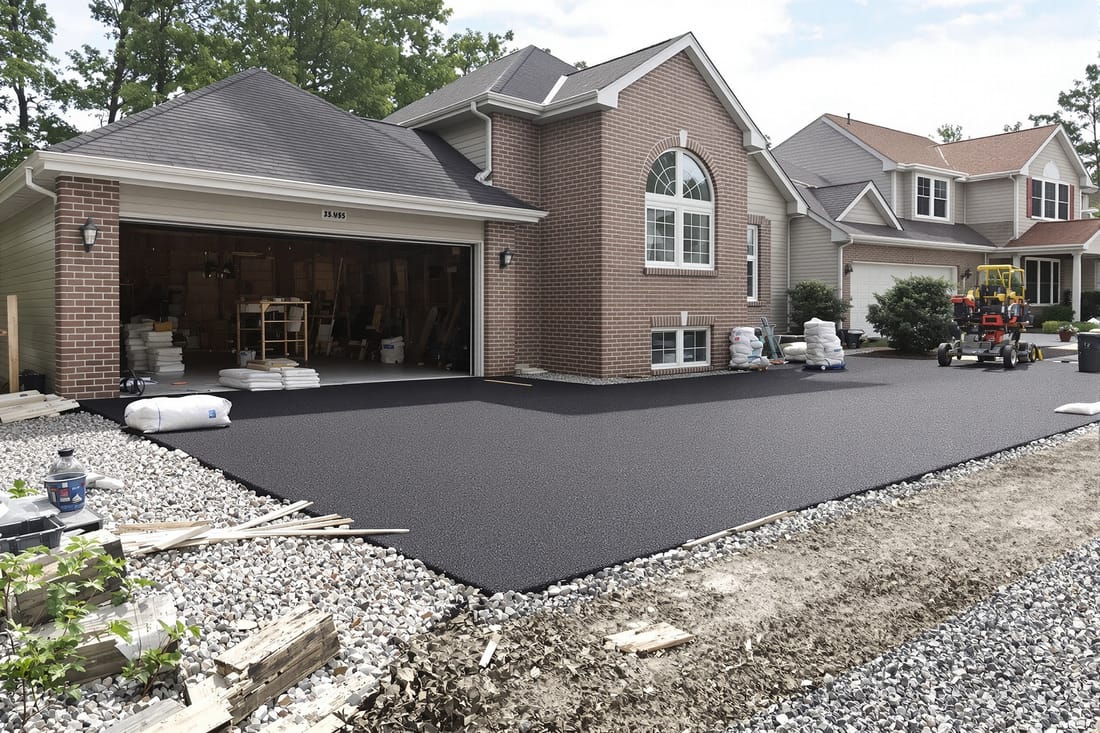
If you are tired of ruts, dust, and constant regrading, a professional gravel to asphalt conversion can completely change how you use your property. Prestige Asphalt Greensboro specializes in converting existing gravel driveways and parking areas into durable, smooth asphalt surfaces designed for real conditions in Greensboro, NC.
A proper conversion is more than just paving over gravel. We evaluate your subgrade, drainage, and traffic patterns so the new asphalt stands up to Piedmont clay soils, heavy summer storms, and winter freeze-thaw cycles. Our crew focuses on site preparation as carefully as the paving itself, which is what separates a long-lasting driveway from a quick overlay that fails in a few years.
Whether you have a narrow country driveway in Summerfield or a high-traffic parking area near downtown Greensboro, we tailor the design of the new asphalt surface to support your vehicles, control water, and keep maintenance manageable for the long term.
Our Step-by-Step Gravel to Asphalt Conversion Process
Prestige Asphalt Greensboro follows a detailed, field-tested process so your gravel to asphalt conversion performs like a brand new build.
1. Site inspection and soil evaluation: We walk the entire area, probe the base, and look for soft spots, standing water, and evidence of pumping or heaving. In Greensboro, red clay under thin gravel is common, and if it is not addressed, the asphalt will crack and rut prematurely.
2. Grading and shaping: Using laser-guided equipment where feasible, we establish the proper slope away from your house, garage, or building. On driveways, we usually aim for a 1.5 to 2 percent cross slope so water sheds quickly without feeling tilted underfoot or under tires.
3. Base repair and reinforcement: Existing gravel is reused when it is clean and compactable. Soft areas are undercut, then rebuilt with compacted stone, typically a mix such as ABC or similar compactable aggregate. For problem spots, we may add geotextile fabric between clay and stone to prevent the base from pumping during wet periods.
4. Compaction: The base is compacted with vibratory rollers in multiple passes. We test for stability by observing deflection under loaded truck tires. If the base moves, we correct it before asphalt is placed.
5. Asphalt installation: We typically install a 2 inch to 3 inch compacted asphalt layer for residential driveways, and 3 inch or more in multiple lifts for commercial or heavy truck areas. Asphalt is machine laid when access allows, which gives the most uniform surface, and hand-worked around tight curves, culverts, and steps.
6. Rolling and finish work: Steel and pneumatic rollers are used in sequence so the asphalt is properly sealed and dense, not open and porous. We then tie into roads, sidewalks, and garage slabs to create smooth transitions with no abrupt lips.
7. Clean up and walkthrough: The site is cleaned and we walk the project with you, pointing out curing times, recommended use, and any special drainage features to keep an eye on during the first few rains.
What Drives the Cost of a Gravel to Asphalt Conversion in Greensboro
Although every property is different, most gravel to asphalt conversion costs are driven by a few key factors that we explain upfront so there are no surprises.
Base condition: If your existing gravel driveway has deep ruts, standing water after storms, or soft spots where vehicles sink, more base work will be needed. In Guilford County, weak clay subgrade is common on older gravel drives that were never properly built. Fixing this during conversion is crucial and can be the largest variable in your quote.
Driveway or lot size and shape: Long, straight driveways are more efficient to pave than short, winding ones with multiple aprons and parking bays. Tight curves, islands, or multiple tie-ins to streets and garages require more hand labor and edge shaping.
Thickness and mix type: A light-duty residential driveway that only sees cars can use a thinner asphalt section than a driveway that regularly supports delivery trucks, RVs, or trailers. We may recommend heavier-duty binder course under a finer surface mix for these cases, which affects material cost.
Access and drainage work: Limited access for equipment, the need for new culverts, ditch regrading, or additional drainage structures will also influence pricing. For example, older driveways near Lake Brandt often need culvert replacement before paving because the existing pipes have rusted or settled.
Prestige Asphalt Greensboro provides itemized proposals that separate base repairs, asphalt quantities, and optional upgrades, so you understand exactly what you are paying for and how each choice impacts durability.
Handling Local Challenges: Clay, Drainage, and Freeze-Thaw
Greensboro driveways and parking areas face a specific set of challenges that must be addressed during any gravel to asphalt conversion.
Clay subgrade movement: Our local red clay holds water and expands when wet, then shrinks as it dries. If asphalt is placed directly on unstable clay or thin gravel, it will crack, settle, and develop potholes. We counter this by cutting out soft spots, installing compacted stone, and in some cases using separation fabric to stabilize the base.
Drainage during heavy storms: Summer downpours can overwhelm poorly graded gravel drives. When we convert to asphalt, we look at where water is currently flowing and where it should flow. We may recommend shallow swales, small berms, or re-angled sections to keep water off the pavement and away from structures.
Freeze-thaw cycles: While Greensboro does not see severe winter like the mountains, we do experience enough freezing nights that trapped water can cause surface damage. Proper slope and tight, well-compacted asphalt are your best defense. An underbuilt base may look fine in the fall, then begin to crack by the end of the first winter.
Tree roots and shade: In established neighborhoods like Sunset Hills and Starmount, tree roots under gravel drives can heave the surface. Before paving, we identify and, if appropriate, root prune or adjust the layout so large roots are not directly below the new asphalt. We also discuss how shade can slow drying after rain, which may influence where we concentrate slope and drainage improvements.
Asphalt Design Options for Your Converted Driveway or Lot
Once the structural details are right, you can choose how you want the new surface to look and function. Prestige Asphalt Greensboro offers several design and specification options tailored to your property.
Surface mix and texture: For residential driveways, we typically recommend a tighter, finer surface mix that provides a smooth finish and cleaner appearance. Commercial or industrial areas may benefit from a slightly coarser mix that offers more traction and stands up better to turning truck traffic.
Layout refinements: A gravel drive may have grown over the years without any clear edges or parking plan. During conversion, we can redesign the layout, add parking bays, widen tight curves, or improve turnarounds so vehicles no longer drop wheels into the yard. Clear layout planning at this stage will reduce future rutting along edges.
Edges and transitions: You can choose simple compacted soil shoulders or more defined edges with stone, concrete, or landscape borders. At garage entrances and public roads, we pay special attention to creating flush transitions so snow shovels, lawn equipment, and low vehicles do not catch.
Striping and markings: For small apartment lots, churches, or businesses converting gravel to asphalt, we can add striping for parking stalls, ADA spaces, fire lanes, and directional arrows once the asphalt has cured. Clear markings immediately improve order and safety compared to unmarked gravel areas.
Best Timing and What to Expect During the Project
In the Greensboro climate, the best time to schedule a gravel to asphalt conversion is typically from late spring through early fall, when ground temperatures are warm and rainfall is more predictable. Asphalt compacts and bonds best on a dry, warm base, and trying to force the work into a cold, wet stretch usually shortens pavement life.
Before we start, we review access needs with you so your family or customers can still get in and out. On most residential driveways, active paving work is completed within one to two days, with additional time for base preparation before that.
You can usually walk on the new asphalt the same day once it has cooled, but vehicle traffic should be limited for a period we specify, often 24 to 72 hours depending on temperature and thickness. During the first few months, we advise avoiding sharp turning of wheels while stationary, parking heavy trailers in the same spot for long periods, or placing sharp-edged objects directly on the pavement.
Noise and dust are temporary but unavoidable during base preparation, especially if we need to regrade heavily or cut new drainage. Prestige Asphalt Greensboro keeps work areas as tidy as possible, protects adjacent lawns where equipment crosses, and cleans up loose stone and debris at the end of the job.
How Prestige Asphalt Greensboro Evaluates and Quotes Your Project
A precise evaluation at the beginning leads to fewer problems later. When you contact Prestige Asphalt Greensboro about a gravel to asphalt conversion, we start with a site visit rather than a quick estimate over the phone.
During that visit, we measure the area, check base depth at multiple points, and look for indicators of hidden problems, such as patched potholes that return after every rain, long-lasting puddles, or areas where the gravel stays soft even in dry weather. We also ask about your vehicle types, expected traffic levels, and any future plans like garages or additions that could change how the driveway is used.
From there, we prepare a written proposal that outlines recommended base work, asphalt thickness, mix type, and any optional upgrades such as additional drainage or layout changes. If we see issues that could affect performance but are outside the paving scope, like major runoff from a neighboring property, we point them out so you can make informed decisions.
This approach ensures that your gravel to asphalt conversion is not just a cosmetic upgrade, but a structural improvement that delivers many years of reliable service for your Greensboro home or business.